Center for Entrepreneurial StudiesCES Created by students, for students
Support CES
Our story

It started as a class assignment.

In 2018 Bonita Tompkins, a business teacher at Mount Blue High School, looked at her students and saw how little of the working world they'd ever been shown. The class decided to fix it themselves. That's still the whole idea.

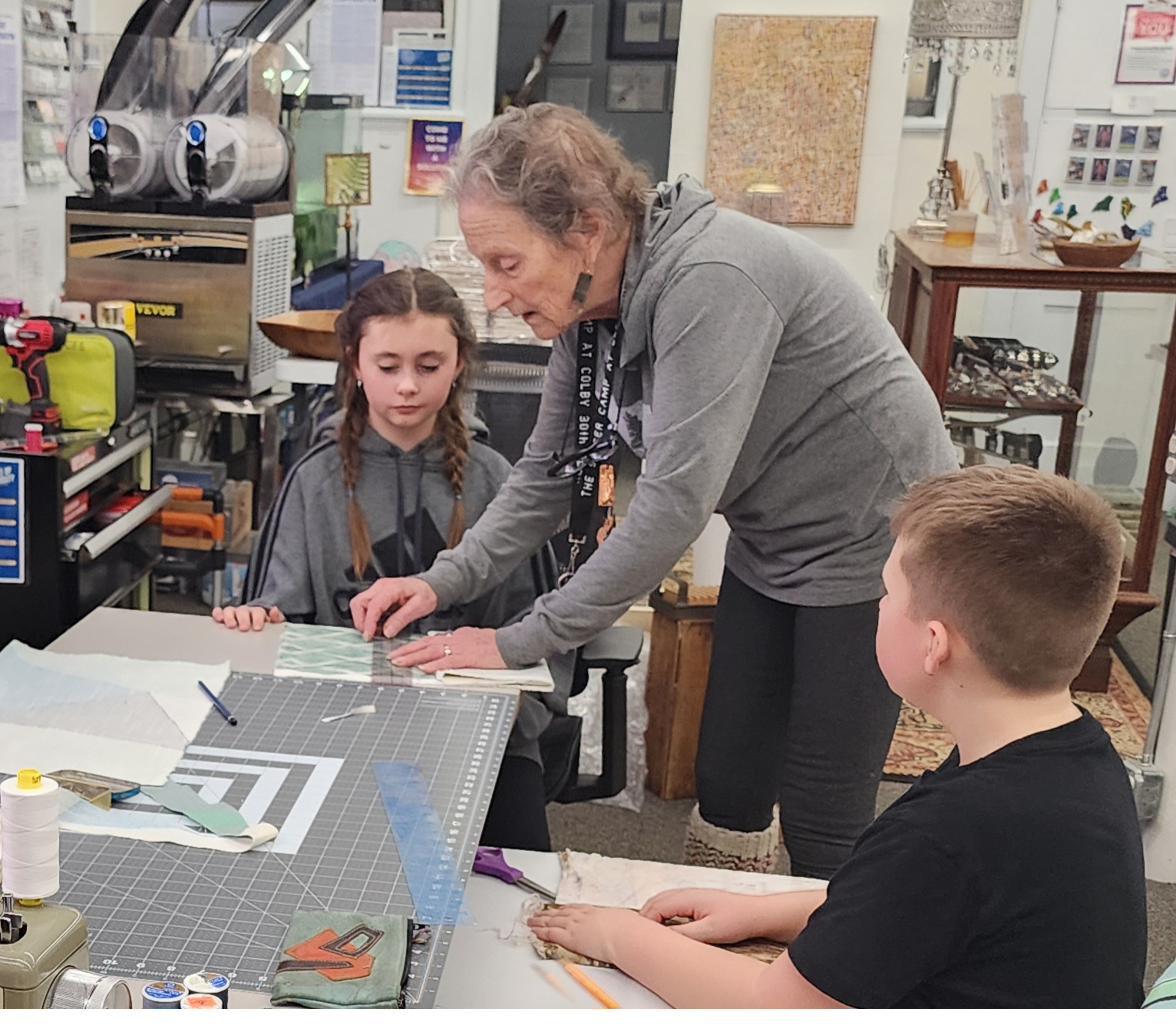
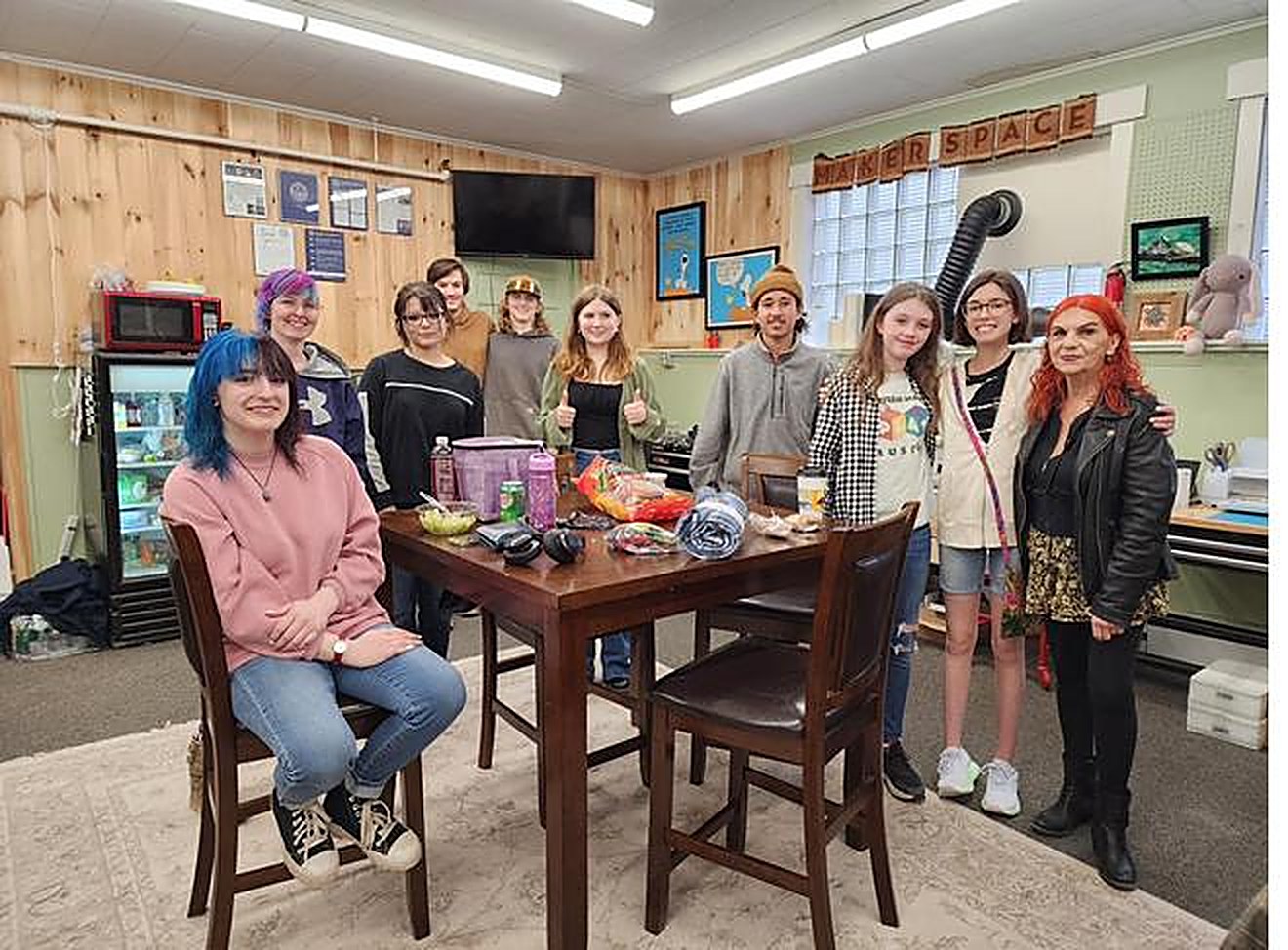
A cohort of young people gathered and working together at CES. Where it starts · a cohort

It began the way the best things in a small town do: someone saw a gap, and decided not to wait for permission to fill it.

01The need

The community need

Franklin County is one of Maine's most rural counties. The economic realities are visible in daily life: fewer summer jobs, fewer places to see adults doing skilled work up close, fewer chances for a young person to test what they might be good at before they're old enough to be told what they are.

The gap wasn't lack of talent. It was lack of exposure. A fourteen-year-old who has never seen someone price a product, source a supplier, or close a sale can't picture themselves doing it. And the town they'll leave — or stay in — pays the cost either way.
02The start

How it started

In 2018 Bonita Tompkins, a business teacher at Mount Blue High School, noticed how little of the working world her students had ever been shown. The teachers around her were already at capacity. So she and her class took it on as a problem to solve. They named what they were building for what it was: created by students, for students.

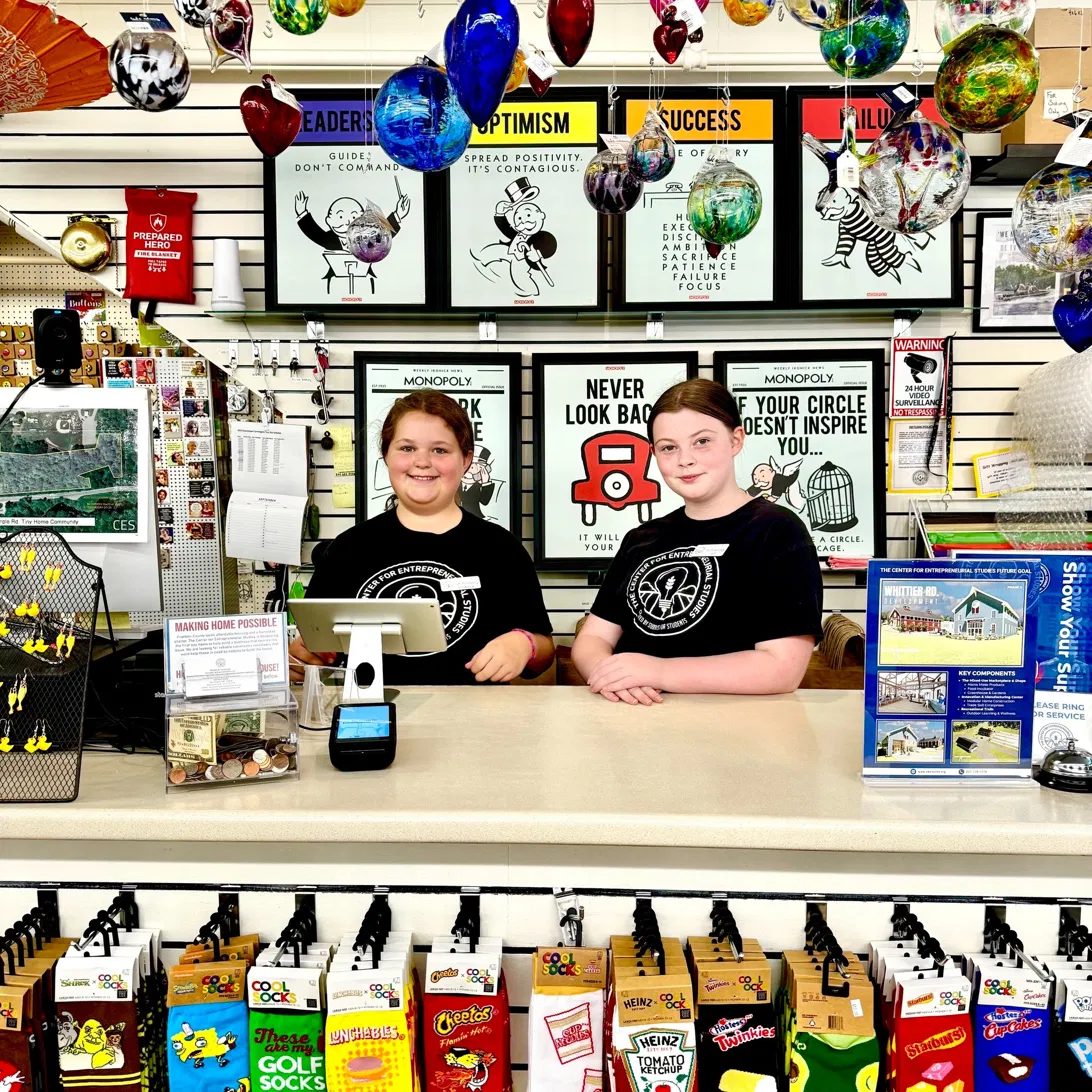
CES took the space on Main Street just fourteen days before the pandemic shut Maine down — before the store had officially opened. It came back. The makerspace filled in behind it. Engineers began driving to Farmington on Wednesdays to teach. The Tiny Home for homeless youth got built with thirty partners in front of a national TV crew. Six acres came next. Then a federal planning grant. Then the next hundred kids.

03The work

What it took

Early on this work met skepticism, doubt and a fair amount of cynicism, mostly because nobody had seen the model before. Learning to explain it has been a years-long job of reworking the words until they land.

We've learned that talent and creativity alone aren't enough. The structure matters, and the people delivering the program matter more. Not everyone can do this work. The right professionals in the right roles are what keep it authentic, focused and worth a young person's time.

There's a comparison we keep coming back to: working the perfume counter at Macy's. Polished, poised, ready to give someone a good experience. When a young person learns to carry themselves like that, they start to feel the line running between confidence, competence and opportunity.

How we got here

Eight years, in order.

Key milestones from a classroom idea to a working campus.

A classroom project at Mount Blue 2018

A classroom project at Mount Blue

Bonita Tompkins, a business teacher at Mount Blue High School, notices that her students have almost no exposure to the world of work, let alone to owning any of it. Teachers are already at capacity. So the class takes it on as a problem to solve. The name they choose says the rest: created by students, for students.

We take the space. Then the state closes. March 2020

We take the space. Then the state closes.

CES accepts 156 Main Street — and fourteen days later, before the store has officially opened, the pandemic shuts Maine down. Six years on, the store and makerspace haven't just survived — they've become the hub.

The makerspace fills up 2021–22

The makerspace fills up

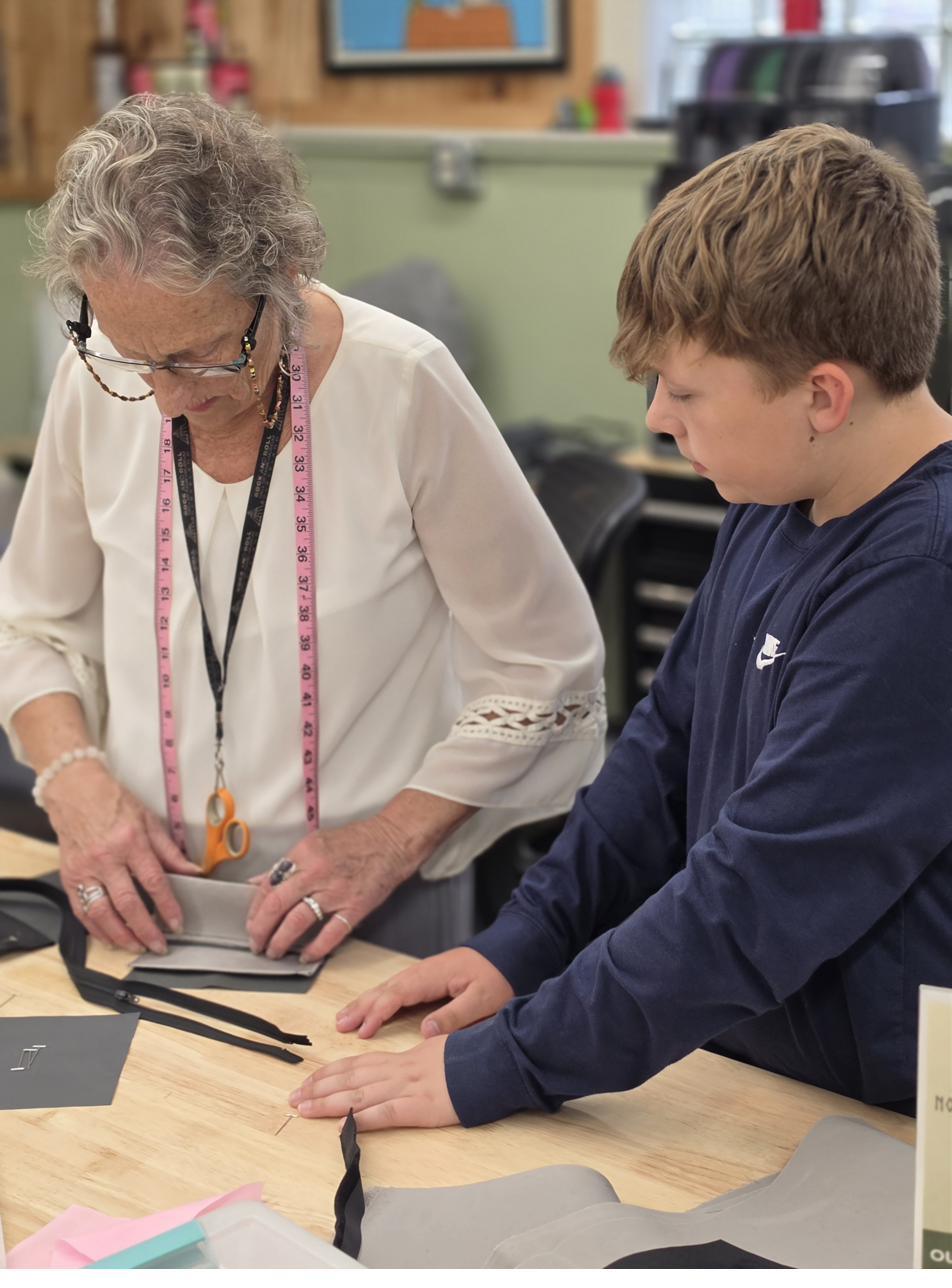
Sewing machines, a laser engraver, 3D printers, a heat press, a woodshop. Engineers from SOLIDWORKS start showing up on Wednesdays to teach.

Making Home Possible 2023

Making Home Possible

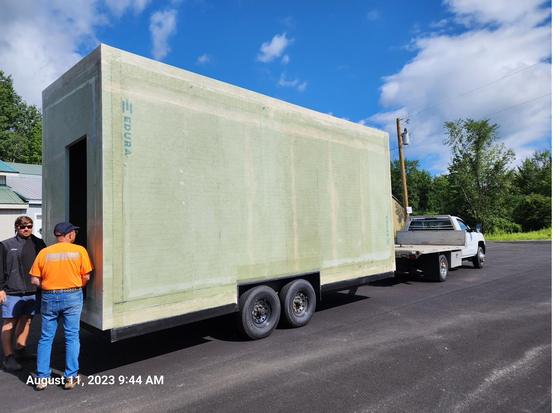
The Tiny Home for homeless youth is built with Kennebec Cabin Company — Maine Cabin Masters — and thirty Maine businesses. Young people work the whole build.

Six acres on Whittier Road 2024

Six acres on Whittier Road

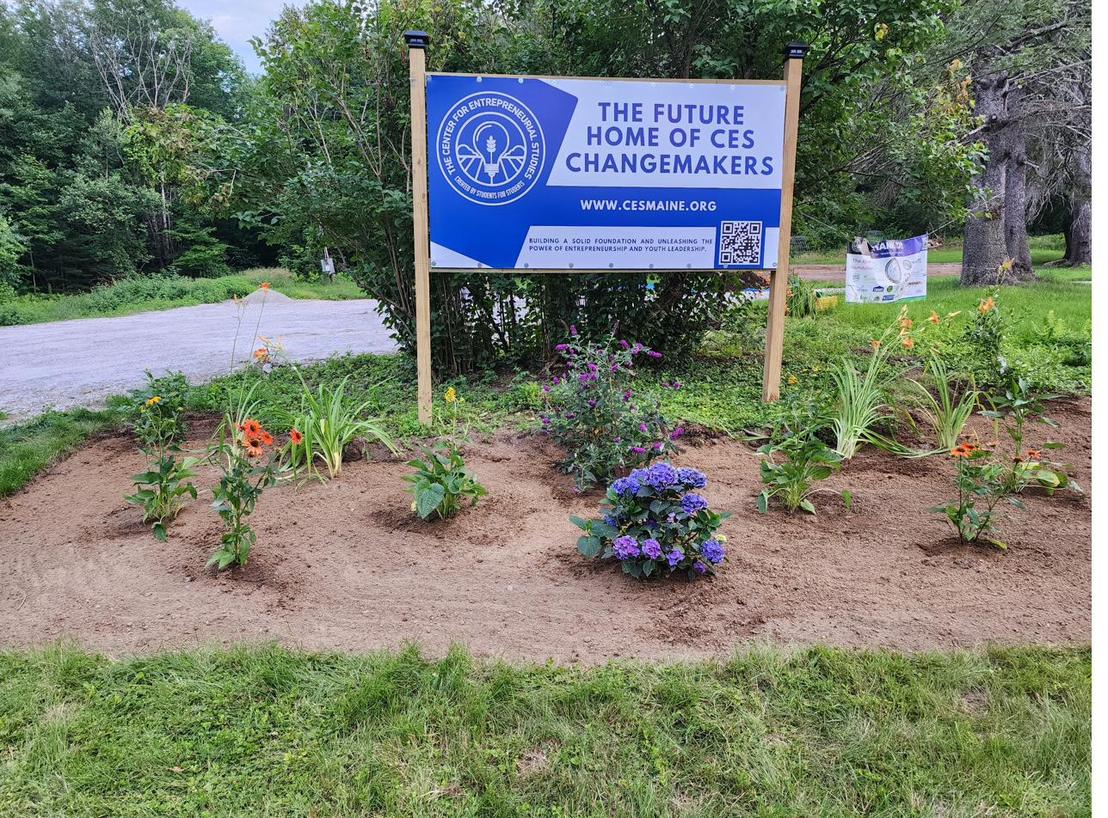
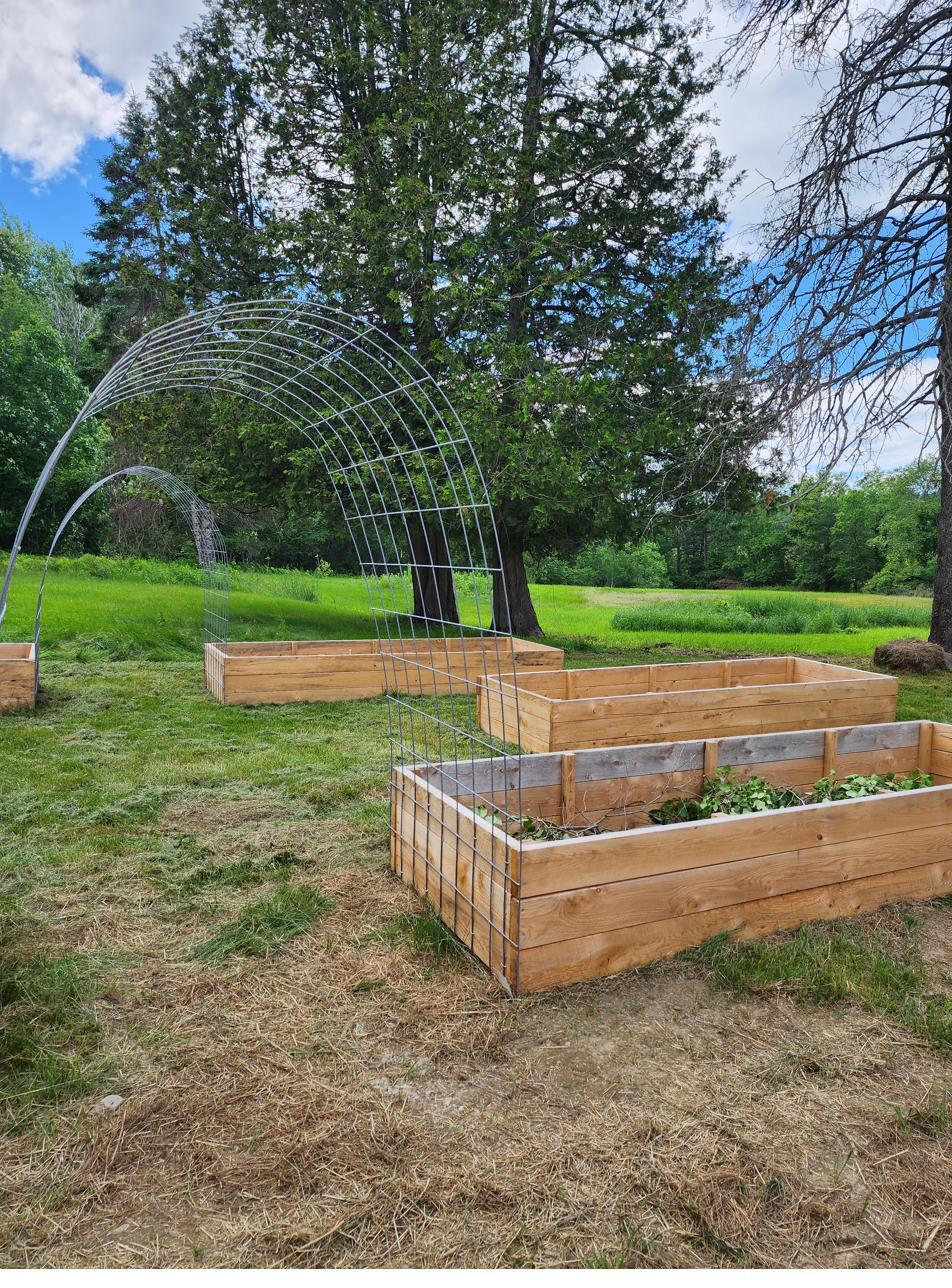
CES acquires the parcel that will become the Changemaker campus, financed through the Genesis Community Loan Fund. Raised beds go in the first season.

A federal planning year, finished FY23 → 2025

A federal planning year, finished

A Congressionally Directed Spending grant funds a dedicated planning year for the future youth center. Completed spring 2025.

Marketplace, kitchen, campus, housing Next

Marketplace, kitchen, campus, housing

A mixed-use marketplace and teaching kitchen at Whittier Road. Community housing at Temple Road. Both designed with the young people who'll use them.

A hand-up, not a hand-out.

Donors and business partners see their investment in the young people, directly. That's the whole point.