
We're building a campus for this.
A store was the start, not the plan. The plan is a place where young people can make, sell, cook, learn and — eventually — afford to live. Three sites, five years, mapped against a real financial plan.
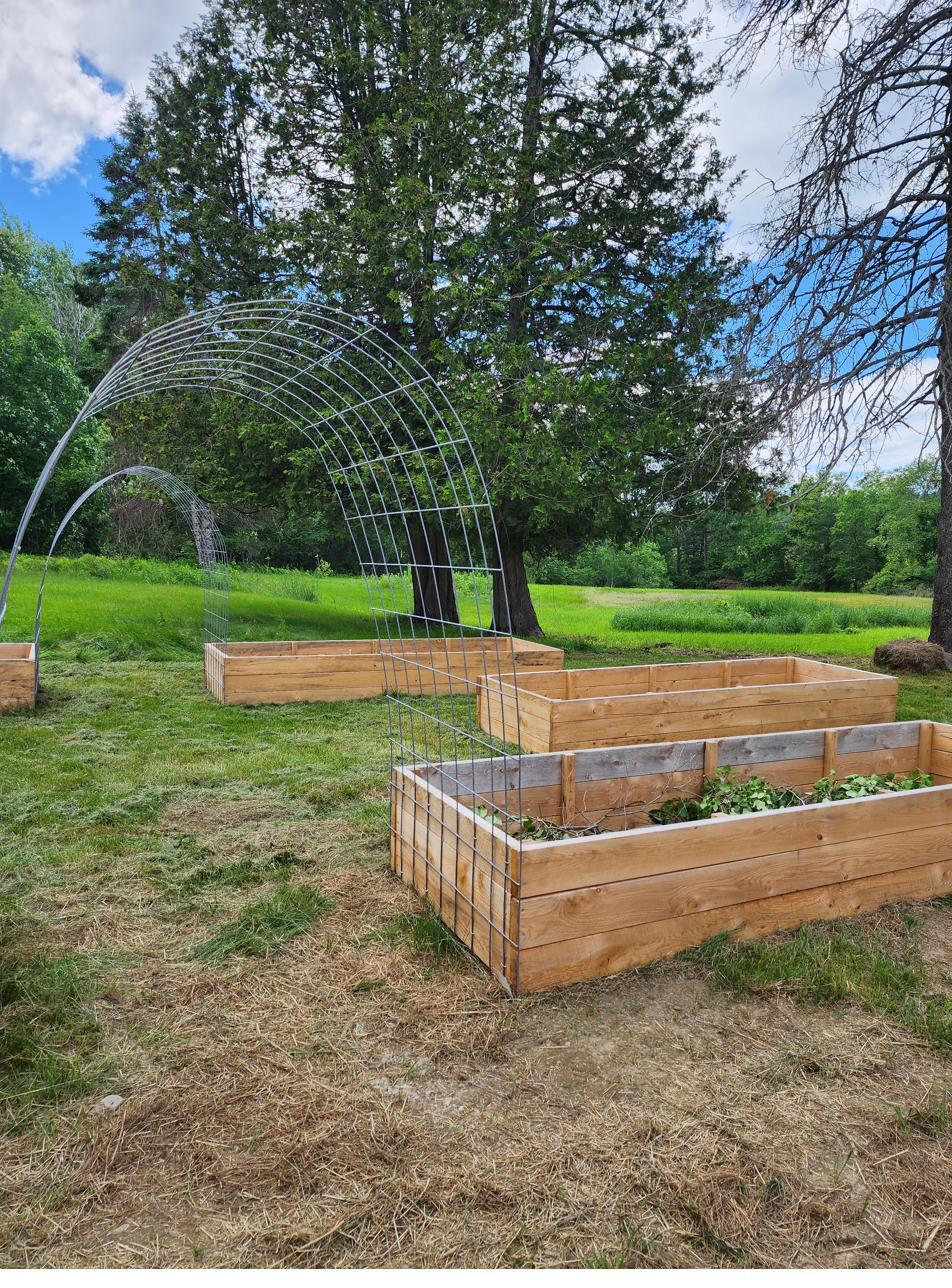 6 acresWhittier Road
Our vision is for youth and young adults to discover their gifts and realize their ambitions — so they can thrive in their own lives, help grow the local economy, and give back to their community. To do that at scale, we need more than a storefront.
What's ahead.
The store on Main Street is open and running — that's the foundation. Here's what comes next, guided by a five-year financial plan built with economic-development strategist Mason Bishop, and designed so youth participation stays free as we grow.
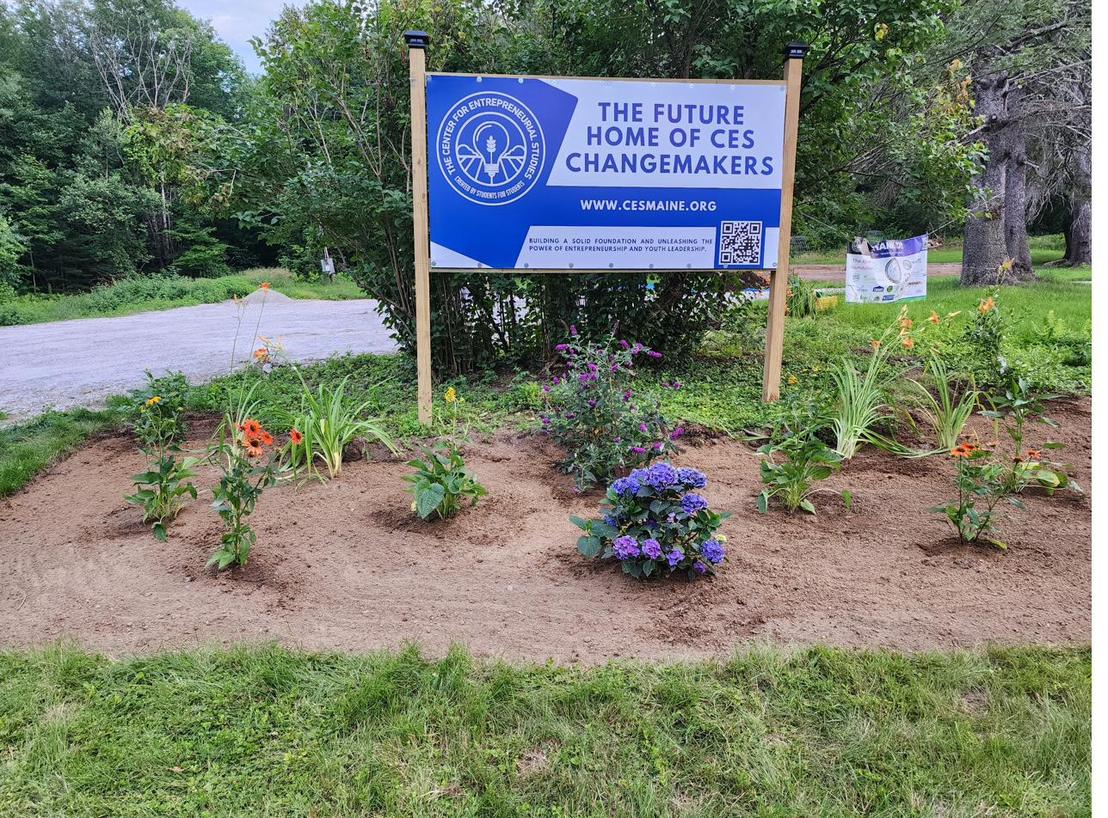
The Changemaker campus
Six acres, secured with the Genesis Community Loan Fund. Gardens, the Tiny Home and a paver pad are in. Next: a mixed-use marketplace and shops, a teaching kitchen and food incubator, a community and coworking center, and outdoor learning space. A federally funded planning year finished in spring 2025.
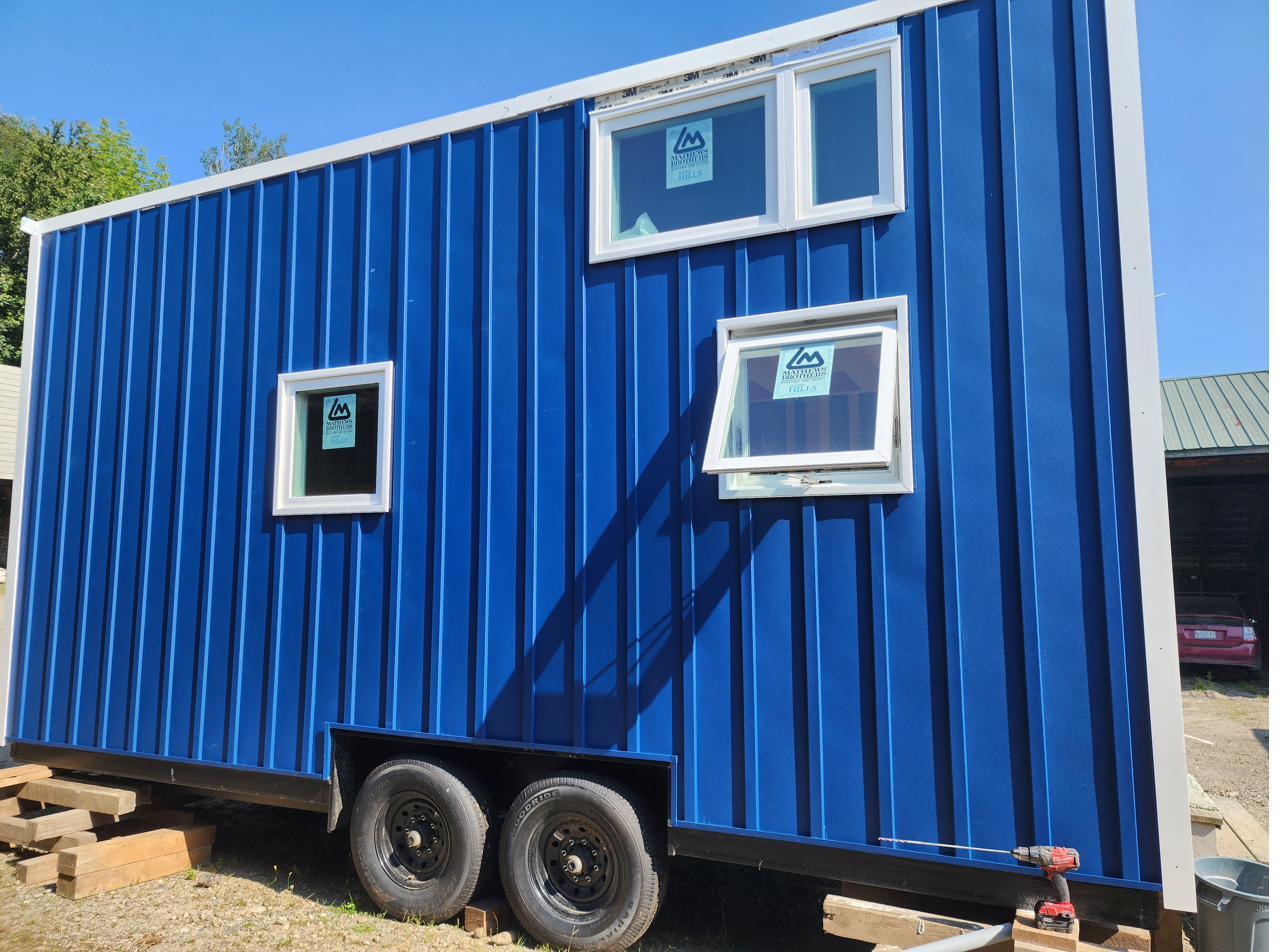
Community housing
The Tiny Home proved young adults in this county need housing this community will build. Temple Road is where that scales — community housing primarily for young adults ages 18 to 24, with a small number of older adults living alongside them so residents can support and learn from one another. It's part of the same five-year picture.
What Whittier Road becomes.
Every piece is a place for young people to do real work — and for the community to show up around them.
Marketplace & shops
A mixed-use marketplace where youth ventures sell alongside local makers.
Teaching kitchen
A food incubator and teaching kitchen for the Agriculture & Culinary team.
Community & coworking
A center for gathering, mentoring and shared work — the town's living room.
Gardens & the farmstand
Raised beds feeding community food access, and a stand run by the growers.
Outdoor learning
Event space, a fire pit, and room to gather and build outdoors.
Community housing
At Temple Road — primarily young adults 18–24, with a few older neighbors alongside them, supporting and learning from one another.
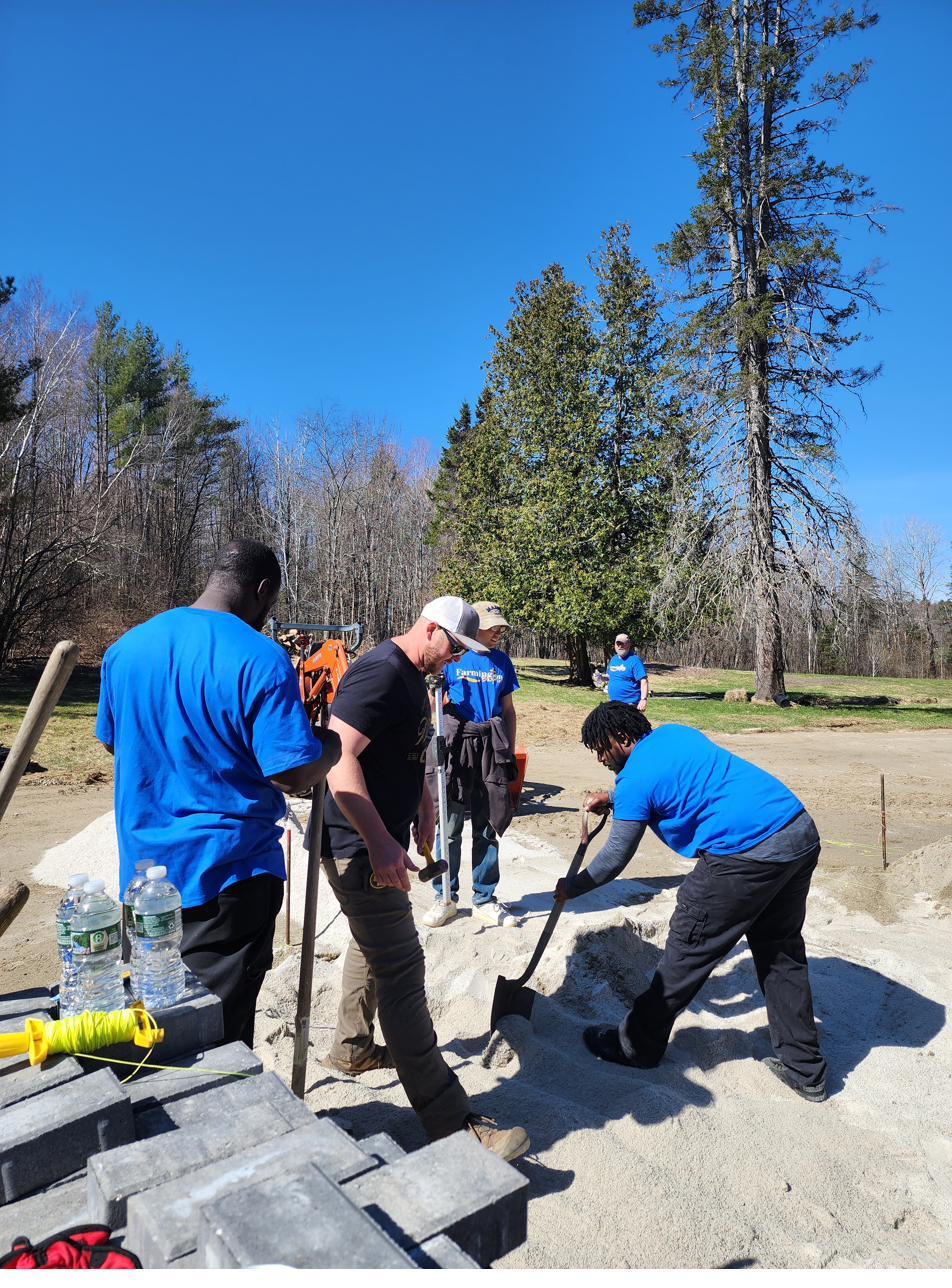
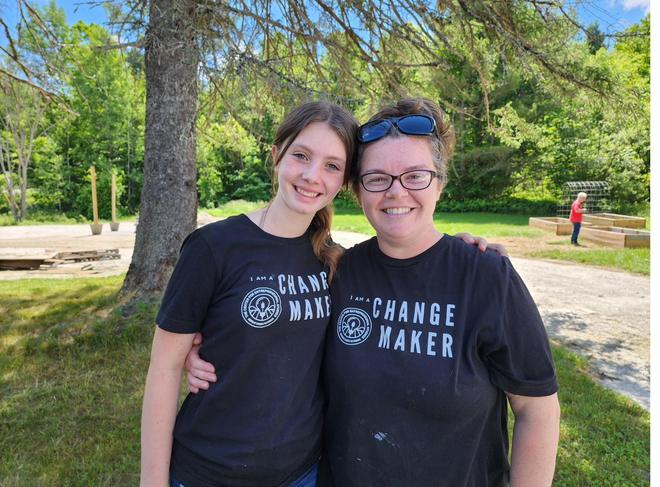
This is a capital project a community can own.
The Tiny Home showed the model: when Maine businesses, mentors and neighbors get behind young people, big things get built. The campus is the same idea, larger. There's a role here for major donors, businesses, tradespeople and grantmakers.
Help write the next chapter.
Every gift toward the campus is a bet on young people in rural Maine — and on the town they'll build.